Structure of the research
Work packages
CaRe-GR is delivered through six interconnected work packages, from national-scale mapping and field assessment to AI-supported analysis, restoration prioritization, and outreach.
Work Package 1
Project Management & Coordination
WP1 is the operational spine of CaRe-GR, handling strategic alignment, administrative oversight, and financial compliance. Through standardized communication frameworks and strict reporting timelines, it keeps the scientific research, remote-sensing models, and policy milestones integrated, high-quality, and on schedule across the 48-month timeline. Lead: Prof. Stelios Katsanevakis.
Key activities
- Administrative and financial oversight, budget allocation and contract compliance within University of the Aegean guidelines.
- Project coordination meetings: routine progress syncs, bi-annual plenary sessions, and data-sharing audits.
- Progress reporting and milestones: technical reports, mid-term evaluations, financial audits, and tracking of operational KPIs.
Work Package 2
Mapping of Rocky Reefs & Marine Caves
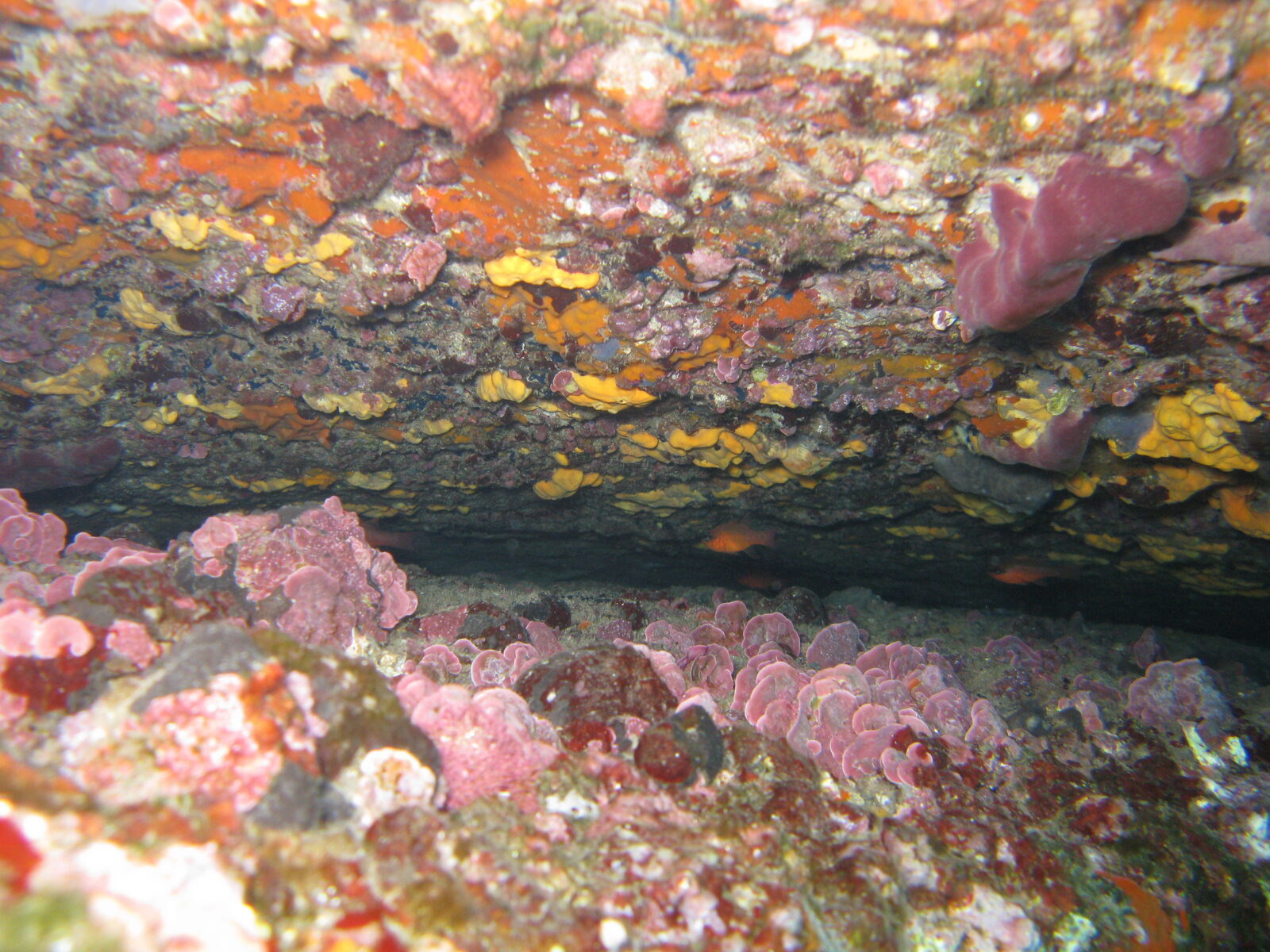
WP2 produces improved national-scale maps of reefs and marine caves across the Greek seas, combining high-resolution remote sensing with systematic reviews of scientific and grey literature, databases, unpublished information, and expert knowledge to define the distribution of shallow reefs, deep reefs, and marine caves. These maps are the foundation for field surveys, ecological status assessments, and conservation planning. Lead: Dr. Maria Sini.
- Large-scale mapping of shallow reefs and algal forests from high-resolution satellite data in optically clear coastal waters.
- Machine-learning classification to improve reef detection from satellite-derived aquatic reflectance.
- Mapping deep reefs: coralligenous formations, rhodolith beds and other reef types from literature, databases and unpublished data.
- Mapping marine caves and cave biodiversity, focusing on protected and alien species.
- National GIS maps, spatial datasets, and a marine cave biodiversity database.
Work Package 3
Ecological Status of Reefs
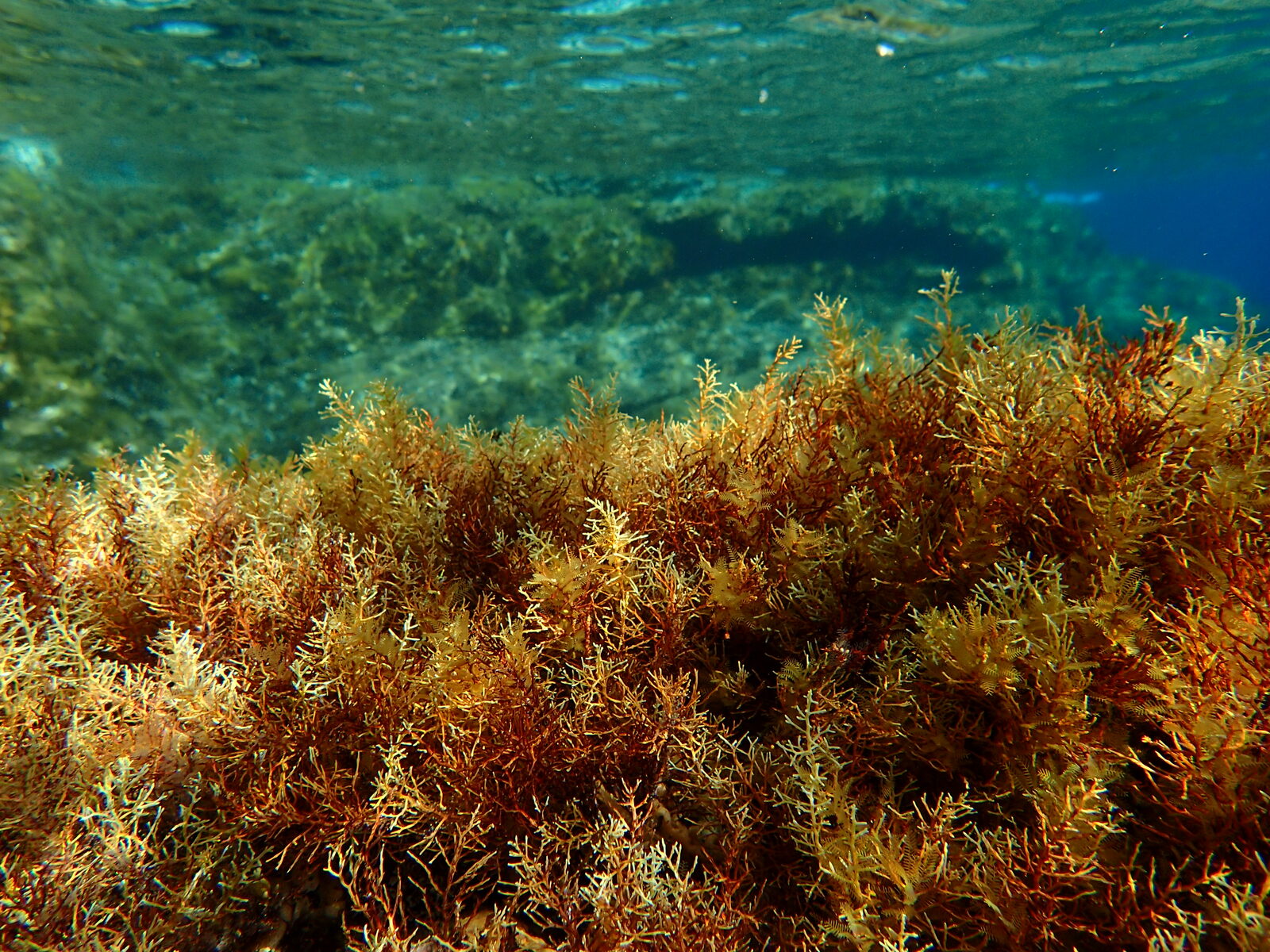
WP3 assesses the ecological status of rocky reefs across Greece, combining extensive scientific field surveys, underwater photography, citizen science, and AI-supported benthic image analysis. It generates representative national-scale data on reef biodiversity, habitat condition, species composition, and benthic community structure, providing a baseline for reef conservation and Greece’s reporting under the Marine Strategy Framework Directive. Lead: Maria Zotou.
- Underwater field surveys using the ECOfast protocol and photoquadrat sampling.
- Citizen science through the “Cscience4all – diving” initiative, recruiting and training volunteer divers.
- AI-supported photoquadrat analysis to estimate cover of macroalgae, sessile invertebrates and substrate categories.
- Ecological status assessment via ECOfast, ECOfast-NIS and reef-EBQI, producing national status maps.
Work Package 4
Ecological Status of Marine Caves
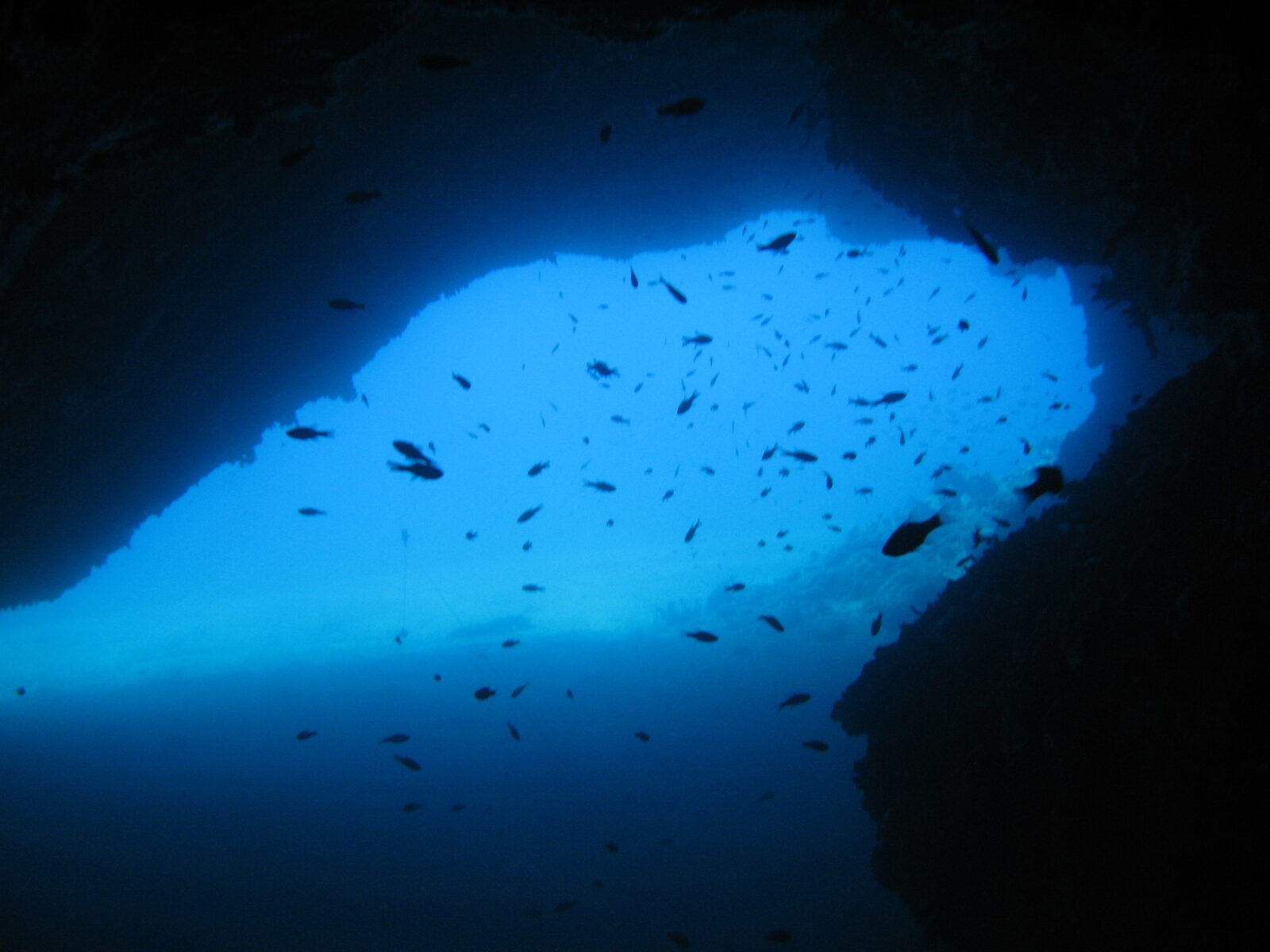
WP4 delivers the first national-scale evaluation of the ecological condition of marine caves in Greece, collecting new data from under-studied areas and combining it with existing knowledge. It documents cave biodiversity, benthic communities, morphology, and the pressures and threats affecting this protected habitat, using non-destructive survey methods, underwater photography, AI-supported image analysis, and ecosystem-based assessment. Lead: Vasilis Gerovasileiou.
- SCUBA-based sampling campaigns in under-studied marine areas.
- Non-destructive surveys across three cave zones: entrance, semi-dark and dark.
- Assessment of pressures and threats: alien and invasive species, species necrosis, and marine litter.
- Photoquadrat analysis of filter-feeders (sponges, bryozoans, ascidians, hydroids, anthozoans) and AI-supported annotation.
- Ecological status assessment using the CavEBQI index, adapted for the eastern Mediterranean.
Work Package 5
Prioritization of Restoration & Management Actions
WP5 assesses the effectiveness of restoration actions for reefs and marine caves through a systematic global review, then tests restoration techniques in the Greek seas, and finally develops a framework for prioritizing actions based on ecological and socio-economic criteria, supporting the EU Biodiversity Strategy and the forthcoming Nature Restoration Law.
- A comprehensive global systematic review of restoration actions for reefs and marine caves.
- Testing combined restoration techniques (for example sea-urchin culling, invasive-fish control, canopy-algae transplantation) at selected case-study sites.
- Spatial prioritization with the prioritizr and restoptr tools, integrating biodiversity, socio-economic and connectivity data.
Work Package 6
Communication, Dissemination & Exploitation
WP6 (DECO) maximises the impact of CaRe-GR by ensuring its activities, results, tools, and recommendations reach all relevant audiences, through dissemination, communication, outreach, stakeholder engagement, policy uptake, education, and long-term exploitation. Lead: Dr. Jennifer Pistevos.
- A project-wide dissemination, exploitation, communication and outreach strategy.
- Project branding and communication platforms: this website, social media, visual templates and graphic guidelines.
- Public outreach: news, fieldwork updates, photos, videos, infographics and press releases.
- Open-access scientific dissemination through publications, conferences and presentations.
- Policy briefs for decision-makers, and a summer school for young researchers.
- A strategic plan for the long-term exploitation and legacy of project results.